Peacocks of Palos Verdes: Where to See Them & Why They’re a Peninsula Icon

Peacocks of the Palos Verdes Peninsula
Why these iconic birds are one of Palos Verdes’ most beloved, surprising, and unforgettable residents.
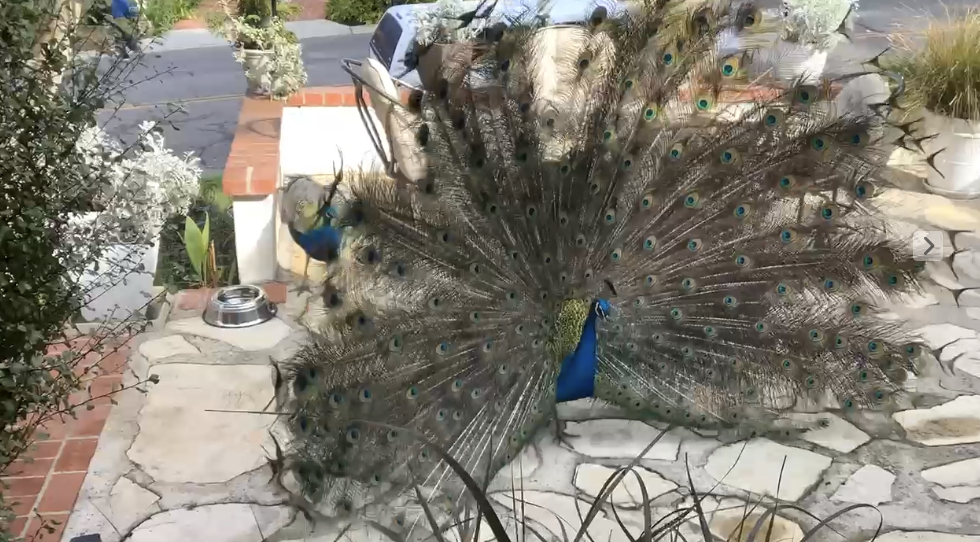
If you have spent any time exploring the Palos Verdes Peninsula, you have probably encountered one of its most recognizable residents: a peacock casually strolling across the road, perched on a stone wall, resting on a doorstep, or displaying its spectacular fan of iridescent feathers.
For longtime residents, they are simply part of life. For visitors and homebuyers exploring Palos Verdes Estates, Rolling Hills Estates, Rolling Hills, and surrounding Peninsula neighborhoods, they are often a complete surprise.
Cliff’s Notes Take
One of my favorite things about Palos Verdes is not a house. It is the moment a buyer rounds a corner and suddenly sees a peacock standing in the middle of the street.
It usually stops the conversation. The first reaction is almost always, “Are those real?”
Yes. These birds are beautiful, historic, entertaining, occasionally loud, and wonderfully unpredictable. They remind you that Palos Verdes still feels connected to nature despite being minutes from Los Angeles.
A Piece of Palos Verdes History
Peafowl have lived on the Palos Verdes Peninsula for more than a century. Local history traces their arrival to the early 1900s, when community founder Frank Vanderlip introduced several birds to the Peninsula.
Over generations, the population expanded naturally. Today, they remain one of the area’s most recognizable symbols.
Unlike animals in a zoo or protected park, these birds roam freely throughout neighborhoods, parks, canyons, hillsides, and residential streets. They have become part of the landscape and part of the Peninsula’s identity.
Where Can You See Peacocks in Palos Verdes?
Peacocks and peahens wander throughout the Peninsula, but several neighborhoods are especially known for them. They are most often found in mature, wooded, canyon-adjacent areas where there are trees, larger lots, open space, and comfortable places to roost.
Malaga Cove
Malaga Cove is one of the most famous peacock areas in Palos Verdes Estates. Mature trees provide ideal roosting spots, and their calls can echo across the canyons in the evening.
Montemalaga
Montemalaga has a strong peafowl presence thanks to larger lots, mature landscaping, wooded canyons, and quieter residential streets.
Rolling Hills
Rolling Hills offers the type of estate setting, open space, and equestrian character where peacocks fit naturally into daily life.
Rolling Hills Estates
Parts of Rolling Hills Estates also have peafowl populations, particularly near wooded neighborhoods, canyon corridors, and larger open-space areas.
Valmonte
Peacocks are less common in Valmonte than in Malaga Cove or Montemalaga, but they periodically wander through, including near Palos Verdes Drive North and the Valmonte street grid.
Chadwick School Area
The wooded areas around Chadwick School are another place where peafowl may be seen, thanks to mature trees and nearby natural habitat.
They Walk Like They Own the Neighborhood
One of the funniest things about peafowl is how comfortable they seem in residential neighborhoods. They often move slowly, confidently, and with very little concern for traffic, people, or schedules.
Common Sightings
- Standing in the middle of the road
- Walking across driveways
- Resting on front porches
- Perched on stone entry walls
- Sitting on rooftops
- Roosting high in eucalyptus trees
Spring Peachicks
Every spring, residents may spot tiny peachicks following closely behind their mothers. Watching them navigate curbs, gardens, and neighborhood streets is one of the quiet seasonal joys of Peninsula living.
The Famous Call
Their distinctive call can carry surprisingly far through the canyons, especially around Malaga Cove. For newcomers, it can be surprising. For longtime residents, it is simply part of Palos Verdes.
Why Peacocks Love Certain Palos Verdes Neighborhoods
Peafowl tend to prefer more wooded areas rather than extremely dry or exposed locations. This is one reason they are more commonly seen in Malaga Cove, Montemalaga, Rolling Hills, and certain canyon-adjacent areas.
Natural Habitat
Mature trees, wooded canyons, and protected open space give peafowl places to forage, wander, and roost safely at night.
Large Lots
Many Peninsula neighborhoods offer larger residential lots with landscaping, gardens, and quieter streets that support their daily movement.
Community Character
Peacocks are part of the Peninsula’s mystique. They add a sense of surprise, history, and natural beauty that makes Palos Verdes feel unlike anywhere else in Los Angeles County.
Living Alongside Peafowl
Like any wildlife, peafowl occasionally create challenges. They may sample flowers, scratch through mulch, leave feathers in the yard, roost on rooftops, vocalize loudly during breeding season, or slow traffic while crossing the street.
Most longtime residents understand these quirks as part of Peninsula life. Many even look forward to seeing their neighborhood peacocks each morning.
When a peacock decides to cross the street, everyone waits. That is part of the charm. They drift through neighborhoods as if they own the place, and honestly, sometimes it feels like they do.
Fun Facts About Peacocks and Peafowl
Names Matter
A male is called a peacock. A female is called a peahen. Together, they are known as peafowl.
They Can Fly
Despite their size, peafowl can fly and often roost high in trees at night.
The Display
The male’s colorful “tail” is actually a long train of upper tail feathers. When fully displayed, it can be spectacular.
Seasonal Feathers
Males shed and regrow their elaborate trains each year.
Sound Carries
Their calls can travel long distances through the canyons under the right conditions.
A Local Surprise
Many visitors are surprised to learn that free-roaming peafowl live this close to urban Los Angeles.
Related Palos Verdes Neighborhood and Lifestyle Guides
Peacocks are part of the larger Peninsula lifestyle story. If you are exploring Palos Verdes neighborhoods, these related Scherb Homes Group guides may help you understand the area at a more local level.
Palos Verdes Estates
Explore one of the Peninsula’s most historic coastal cities, including Malaga Cove, Valmonte, Lunada Bay, and Montemalaga.
Rolling Hills Estates
Learn about Rolling Hills Estates neighborhoods, equestrian areas, schools, lifestyle, and canyon-adjacent living.
Rolling Hills
Explore the private, gated estate community known for large lots, trails, equestrian properties, and open space.
Valmonte
Learn about one of Palos Verdes Estates’ most beloved neighborhoods, known for trees, trails, community feel, and classic homes.
Valmonte Streets A–Z
Browse street-level guides for Valmonte, including hyper-local insights for buyers, sellers, and neighbors.
Peter Weber Equestrian Center
Explore one of the Peninsula’s important equestrian lifestyle anchors near Rolling Hills Estates and Palos Verdes neighborhoods.
Ernie Howlett Park
Learn about this Rolling Hills Estates park and its role in the Peninsula’s equestrian, recreation, and neighborhood lifestyle.
Peninsula Center
Explore one of the Peninsula’s central shopping, dining, and services hubs near Rolling Hills Estates and Rancho Palos Verdes.
Palos Verdes Golf Club
Discover one of the Peninsula’s premier private golf clubs and an important lifestyle landmark near Malaga Cove and Valmonte.
Important Takeaways
They Are Historic
Peafowl have been part of the Peninsula’s story for generations and are tied to the area’s early development history.
They Add Character
They bring beauty, surprise, sound, movement, and personality to neighborhoods across Palos Verdes.
They Are Part of Daily Life
For many residents, seeing peacocks in the street, in trees, or near homes is simply part of living on the Peninsula.
Frequently Asked Questions
Are the peacocks in Palos Verdes wild?
Yes. The peafowl on the Palos Verdes Peninsula roam freely and are not confined to parks or private properties.
Where is the best place to see peacocks?
Malaga Cove, Montemalaga, Rolling Hills, portions of Rolling Hills Estates, the wooded areas near Chadwick School, and occasionally Valmonte are among the best places to spot them.
Do peacocks fly?
Yes. Although they spend much of their time on the ground, they can fly and often roost high in trees at night.
Are peacocks dangerous?
Generally, no. They usually avoid people. Like any wild animal, they should be admired from a respectful distance and should not be fed.
Why are there so many peacocks in Palos Verdes?
Their presence dates back more than 100 years. The Peninsula’s mild climate, mature trees, wooded canyons, open space, and natural habitat have allowed them to thrive.
Why do peacocks make so much noise?
Their calls are part of their natural behavior and are especially noticeable during certain seasons. In canyon neighborhoods such as Malaga Cove, the sound can carry a long distance.
Thinking About Life on the Palos Verdes Peninsula?
Neighborhood character matters. From views and schools to trees, trails, wildlife, micro-locations, and street-by-street nuance, Palos Verdes is best understood locally.
Contact Scherb Homes Group to talk through Palos Verdes neighborhoods, lifestyle, and real estate strategy. If you are considering selling, visit our Sell Your Home resource for valuation and listing strategy.
