South Bay Winter Home Prep: Roof, Rain & Insurance Tips for Homeowners

South Bay Winter Home Prep: Roof, Rain & Insurance Checklist for Homeowners
After another stretch of unusually warm South Bay weather, now is a smart time to prepare your home for the wetter months ahead.
Living near the coast does not make a home immune to heat, moisture, aging roofs, drainage problems or water intrusion. In fact, as Southern California weather patterns become less predictable, preventive maintenance matters more than ever. A roof inspection, drainage check and insurance review may not be the most exciting home projects on your list, but they can help protect everything else you have invested in.
South Bay weather is changing the way homeowners think about maintenance
Recent years have brought more conversations about heat, warmer nighttime temperatures and whether coastal South Bay homes need air conditioning. Even properties only a short distance from the beach can become uncomfortable during prolonged periods of heat.
The same broader weather variability also makes winter preparation worth taking seriously. El Niño years can increase the possibility of wetter conditions in Southern California, although no single climate pattern guarantees exactly how much rain a particular neighborhood will receive.
That uncertainty is precisely why we believe homeowners should use the dry months to prepare. There is still time to inspect a roof, clear drainage, repair small problems and understand insurance coverage before the first major storm arrives.
Heat
Warmer days and nights are causing more South Bay homeowners to reconsider cooling, insulation and overall home comfort.
Rain
Even one significant storm can expose roof, flashing, drainage or waterproofing problems that were invisible during dry weather.
Prevention
Small maintenance expenses today can be a fraction of the cost and inconvenience of water remediation later.
The kitchen remodel is more fun, but the roof is what protects the kitchen remodel.
Start with the part of the home designed to keep the weather out
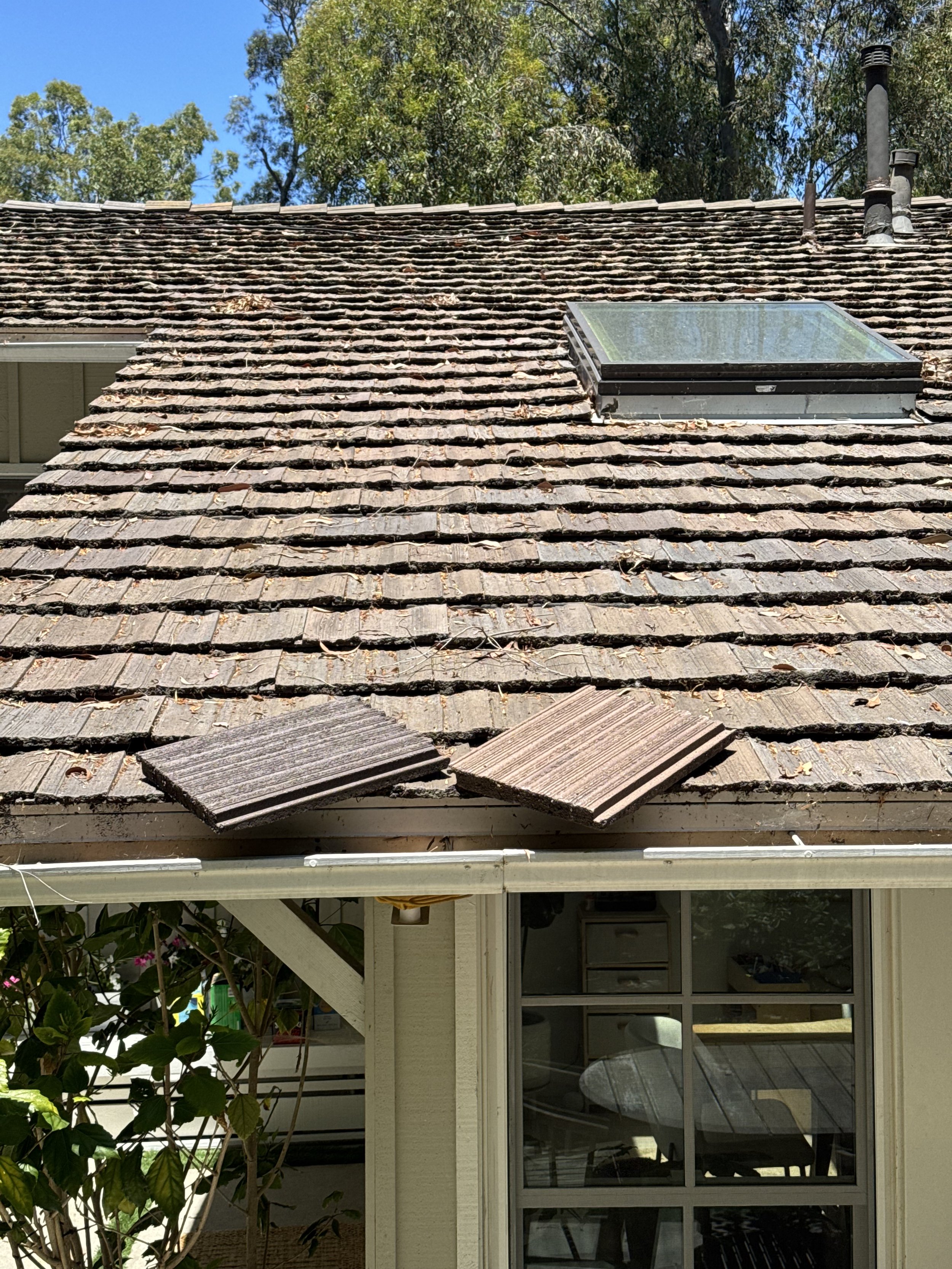
Roof maintenance is one of the simplest forms of risk management for a homeowner. A broken tile, deteriorated seal, loose flashing or small penetration can allow water to enter slowly and cause damage far beyond the original repair area.
Water intrusion can affect drywall, insulation, framing, flooring, electrical systems, cabinetry and furnishings. If moisture remains trapped, remediation can become complicated and homeowners may even need to leave the property temporarily while work is completed.
We recommend having a qualified roofer periodically inspect the roof rather than waiting for evidence of a leak inside the home. Our own family has a roofer check our home annually and repair broken tiles or other small issues before they turn into something larger.
Areas worth inspecting
- Broken, slipped or cracked roof tiles
- Roof flashing
- Pipe and vent penetrations
- Skylights
- Chimney transitions
- Sealants and waterproofing
- Flat roof sections
- Visible signs of ponding or drainage issues
Do not wait for a ceiling stain
By the time a homeowner notices discoloration inside, water may already have traveled through roofing materials, framing or insulation.
Preventive inspection is typically far easier than tracing an active leak during a storm.
Think beyond the roof
Roofs receive most of the attention before winter, but water management involves the entire property. Gutters, downspouts, drains, grading, exterior openings and landscaping can all determine where rainwater goes once it reaches your home.
This can be particularly important in Palos Verdes and hillside areas where slope, drainage and runoff deserve additional attention.
Exterior items to review
- Clean gutters and downspouts
- Confirm downspouts discharge away from the foundation
- Clear area drains and drainage channels
- Review grading near the home
- Inspect exterior caulking around windows and doors
- Check balconies, decks and waterproof surfaces
- Review retaining walls and hillside drainage
- Trim vegetation that blocks drainage paths
Interior water protection
Rain is not the only source of expensive water damage. Plumbing failures, supply lines and appliance leaks can create equally serious problems.
Smart leak sensors and automatic water shutoff systems can provide another layer of protection throughout the year.
One system we use ourselves
After dealing with water issues firsthand, our family became much more proactive about monitoring the home. One of the tools we use is a Moen automatic water shutoff system, which can detect abnormal water usage and help limit damage if a plumbing leak occurs.
Your maintenance plan and insurance plan should work together
Another important part of preparing for unpredictable weather is reviewing your homeowners insurance. Policies, exclusions, deductibles and replacement costs change, and homeowners should understand what their coverage actually provides before they need to use it.
Our family reviews our insurance annually. It is a simple habit that helps us understand what has changed, what is covered and whether our protection still makes sense for the home.
Questions worth discussing with your insurance professional
- What kinds of water damage are covered?
- What water-related exclusions apply?
- What is the deductible?
- Are coverage limits sufficient for current rebuilding costs?
- What loss-of-use or temporary housing coverage is included?
- Are contents and improvements adequately covered?
- Would separate flood or other specialized coverage be appropriate?
- Have major home improvements been reflected in the policy?
Insurance needs vary by property and owner. Homeowners should review their individual situation with a qualified insurance professional.
We learned this lesson in one of our first Palos Verdes homes
This advice is not theoretical for our family. One of the first homes we purchased in Palos Verdes had a leak.
Once you have experienced water entering a home, you look at preventive maintenance differently. Since then, we have been vigilant about monitoring water, maintaining the roof and fixing small problems before they have an opportunity to grow.
That means having our roofer check for broken tiles, paying attention to drainage, reviewing insurance, monitoring plumbing and using technology where it can help.
It may not be the sexiest home project, but a roof inspection can be far less expensive than remediation, repairs and having to move out of your home while water damage is corrected.
What should South Bay homeowners do before the rainy season?
A simple annual routine can go a long way toward protecting a home and maintaining its value.
Exterior
- Schedule a roof inspection
- Repair broken or displaced roof tiles
- Inspect flashing and roof penetrations
- Clean gutters
- Clear downspouts
- Clear yard and area drains
- Inspect windows and exterior seals
- Review property grading and drainage
- Check balcony and deck waterproofing
- Trim vegetation that interferes with drainage
Inside the home
- Look under sinks for signs of moisture
- Inspect appliance supply lines
- Check water heater connections
- Test leak sensors
- Test automatic water shutoff systems
- Look for stains around skylights and ceilings
- Know where the main water shutoff is located
- Review homeowners insurance coverage annually
Why this matters for both sellers and buyers
Preventive home maintenance is not only about avoiding emergencies. It can also affect how a property shows, how buyers perceive it and how confidently a transaction moves through inspections and due diligence.
For South Bay sellers
Deferred roof, drainage or moisture issues can become inspection findings that introduce uncertainty into a sale. Addressing known maintenance before listing can help reduce surprises and demonstrate thoughtful ownership.
For South Bay buyers
A beautiful kitchen should not distract from the fundamentals. Buyers should understand roof age, drainage, waterproofing, signs of prior moisture and the condition of major protective systems before purchasing.
The glamorous improvements may help you fall in love with a home. The less glamorous systems are often what protect its long-term value.
South Bay winter home preparation FAQs
How often should I have my roof inspected in the South Bay?
There is no one schedule appropriate for every roof, but periodic professional inspection is a sensible part of home maintenance, particularly before the rainy season or after severe weather. Roof age, material, prior repairs and nearby vegetation can all affect how frequently a roof should be reviewed.
Should I inspect my roof even if I do not see a leak?
Yes. Small roof problems can exist before water becomes visible inside. Preventive inspection may identify damaged tiles, flashing, penetrations or sealant issues before they lead to interior damage.
What should South Bay homeowners check before heavy rain?
Start with the roof, gutters, downspouts, drains, grading, exterior seals, balconies or decks, landscaping and any areas where water could collect or travel toward the home.
Does homeowners insurance cover all water damage?
Not necessarily. Coverage depends on the cause of the loss and the specific policy. Homeowners should review water-related exclusions, deductibles, policy limits and temporary housing coverage directly with their insurance professional.
Is an automatic water shutoff system worth considering?
For some homeowners, smart leak detection and automatic shutoff technology can add another layer of protection by identifying unusual water use and potentially limiting the severity of a plumbing leak.
Should buyers pay attention to drainage when purchasing a Palos Verdes home?
Absolutely. Roof condition matters, but buyers should also understand grading, drainage, retaining walls, slope conditions and how water moves around the property, particularly on hillside or terraced lots.
Can deferred roof maintenance affect resale value?
It can. Significant roof, moisture or drainage concerns may influence buyer confidence, inspection negotiations, repair requests and the overall perception of how well a property has been maintained.
Do coastal South Bay homes still need air conditioning?
Increasing periods of warm weather and warmer nighttime temperatures have caused more homeowners to reconsider air conditioning, heat pumps, insulation and other cooling strategies even in historically mild coastal neighborhoods. The right solution depends on the property, microclimate and homeowner preferences.
The basics matter more than they get credit for
It is easy to get excited about kitchens, bathrooms, additions, outdoor living spaces and the improvements you can see every day. Those projects are rewarding and can absolutely improve the way a home lives.
But the less visible systems deserve attention too. A maintained roof, good drainage, sensible water monitoring and appropriate insurance coverage all help protect the rest of the investment.
In our experience, a little preventive work can provide significant peace of mind as weather becomes more unpredictable.
Need a trusted South Bay home-maintenance resource?
Scherb Homes Group works with homeowners, buyers and sellers throughout Palos Verdes and the South Bay. If you have questions about preparing a property, maintaining it, buying, selling or simply finding the right local professional, feel free to lean into our network.
We are happy to share contractors, roofers and other trusted resources that can help keep your home running smoothly. And if someone you know could use guidance with a South Bay home, we are always happy to help.